

2026 Ford F-150 PowerBoost Hybrid Review: Is It Worth It?
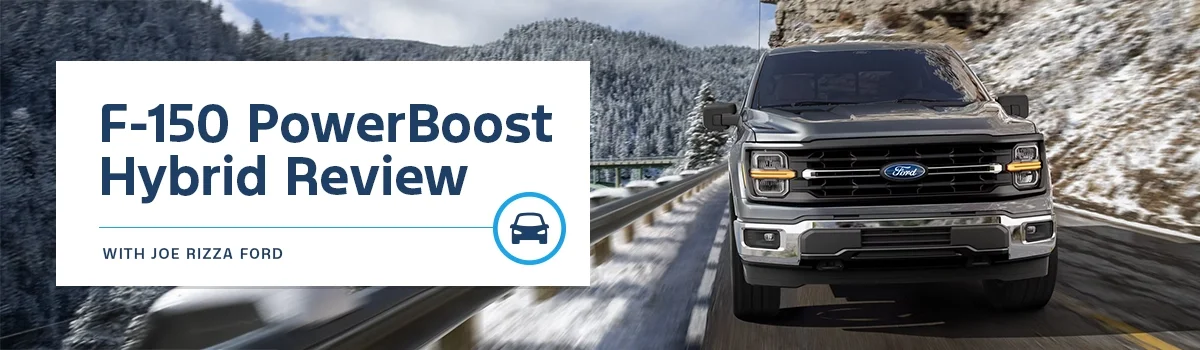
Ford offers a lot of engine options for the F-150, but the PowerBoost® option comes with a number of unique advantages that make it an excellent choice for quite a few applications. These advantages cover a wide variety of areas and add to the unmatched versatility that has always given the F-150 an edge over the competition. But to fully appreciate what the PowerBoost® drivetrain does for the F-150, we’re going to have to get into the details.
What Is The F-150 PowerBoost®?
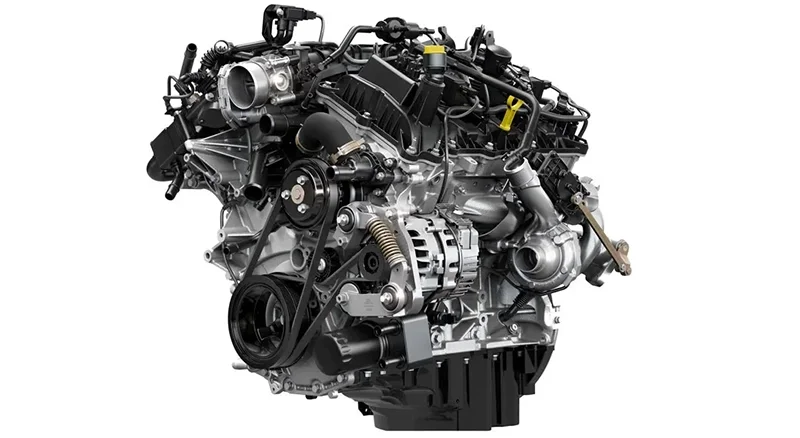
The PowerBoost® drivetrain is a hybrid configuration with a 3.5-liter V6 mated to a 10-speed automatic transmission that has an integrated electric motor. The system differs from other hybrid systems in that it’s not solely built around conserving fuel, since that kind of system wouldn’t be all that useful in a pickup truck. Instead, the PowerBoost® is a way to get more power without sacrificing fuel economy to get it. That’s not to say there aren’t fuel savings, there certainly are, but if fuel economy is the only concern, something like the Maverick hybrid already delivers big numbers in that department, but an F-150 needs to offer more power and capability.
Is The PowerBoost® Worth It?
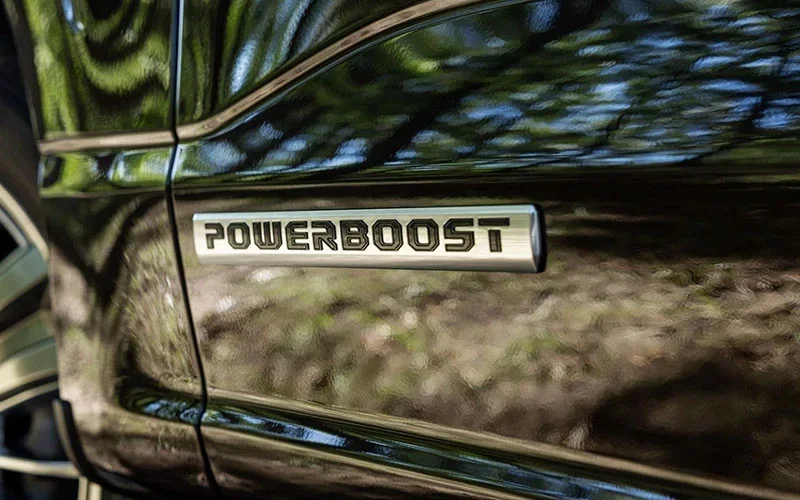
The PowerBoost® is absolutely worth it for a huge variety of uses. The first and most obvious of the advantages of the PowerBoost® drivetrain is that it is the most powerful of the non-Raptor engine options for the F-150, totaling 430 horsepower and 578 lb-ft of torque. It’s also worth mentioning that, since much of that torque comes from the electric motor, it’s available immediately off idle, further improving acceleration. Traditional wisdom is usually that the most powerful engine is also the least efficient, but that’s not the case here. The PowerBoost® is the most efficient option for the F-150. That said, it’s not a huge discrepancy. RWD configurations of the PowerBoost®, the 2.7-liter EcoBoost®, and the 3.5-liter EcoBoost® all get the same 25 mpg on the highway*. But in city traffic, the PowerBoost® has a big advantage: 23 mpg, compared to 19 mpg from the 2.7-liter and 17 mpg from the 3.5-liter.
Payload and towing capacity for the PowerBoost® aren’t the highest of the engines offered, both the 5.0-liter V8 and the 3.5-liter EcoBoost® have slightly higher towing capacities. However, since Ford trucks all offer noticeably superior towing capacities compared to the competition, the PowerBoost® is really only out done by those other engines for the F-150. Take the Ram 1500, for example: the absolute most towing capacity available for this truck is 11,610 pounds. The PowerBoost® F-150 can tow 11,600 pounds, essentially the exact same amount, but the PowerBoost® F-150 gets 23 mpg in the city, and the Ram gets 18 mpg. The PowerBoost® is the perfect choice for any truck application that involves a fair amount of city driving, including basically any kind of local contracting work.

PowerBoost® Pro Power Onboard
There is one last advantage for the PowerBoost®, and that is the Pro Power Onboard option. This is available with other engines, but it’s a much more useful feature with the PowerBoost® engine. Pro Power Onboard is an electrical power station that’s built right into the bed of your F-150. For gas-only models, this is a 2.0 kW system, good for small tools, or a variety of camping equipment. The PowerBoost® comes standard with a 2.4 kW system, offering a bit more power, enough for things like saws and air compressors. But the real advantage is that the PowerBoost® lets you upgrade to a 7.2 kW system, offering significantly more versatility, including a 240V outlet. This PowerBoost®-exclusive feature is a huge help to contractors and outdoor enthusiasts alike.
*EPA-estimated city/hwy mpg for the model indicated. See fueleconomy.gov for fuel economy of other engine/transmission combinations. Actual mileage will vary.